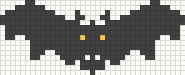
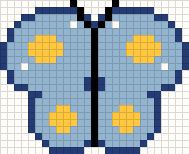
 Bat
Free Cross Stitch Patterns
Sixty-six original cross stitch charts in six themes, all drawn for StitchJam and free to print: flowers, animals, Christmas, Halloween, small and easy designs, and long bookmarks. Every chart comes with a DMC key and opens in the editor if you want to change it. You can print these cross stitch patterns free as often as you like, with no account.
- 66 original charts
- Free PDF, no watermark
- DMC keys with stitch counts
Browse by theme
 Flower patternsRoses, lavender, sunflowers and wildflowers.
 Animal patternsBunnies, birds, cats and woodland friends.
 Christmas patternsOrnaments, trees, stockings and snowflakes.Halloween patternsPumpkins, ghosts, bats and black cats.
 Small and easy patternsQuick beginner designs under 40 stitches.
 Bookmark patternsLong, narrow designs for bookmarks.
66 free patterns
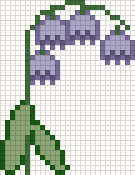
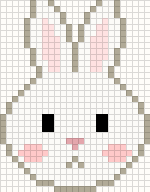
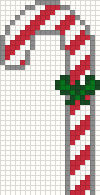
BatBirch trees bookmark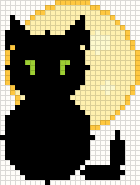 Black cat and moonBluebellsBunny faceButterflyCandy cane
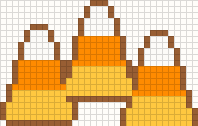 Candy corn
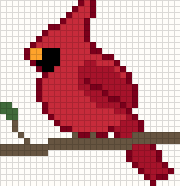 Cardinal on a branch
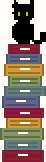 Cat on a stack of books
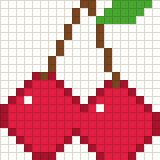 Cherries
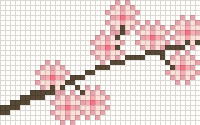 Cherry blossom branch
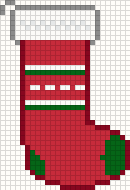 Christmas stocking
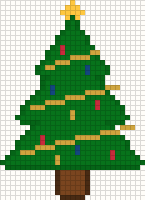 Christmas tree
 Climbing roses bookmark
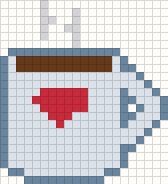 Coffee mug
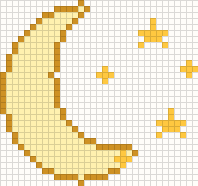 Crescent moon and stars
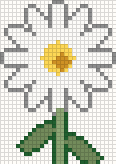 Daisy
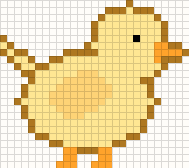 Duckling
 Fern frond bookmark
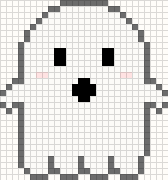 Friendly ghost
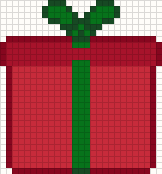 Gift box
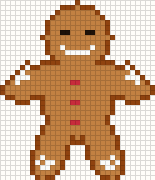 Gingerbread man
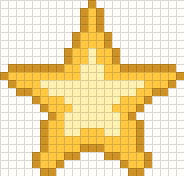 Gold star
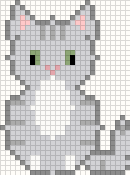 Gray tabby cat
 Hearts bookmark
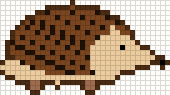 Hedgehog
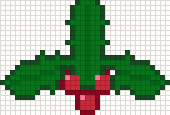 Holly sprig
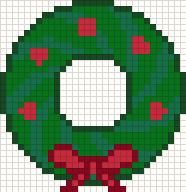 Holly wreath
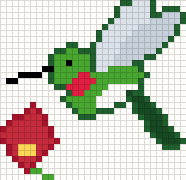 Hummingbird
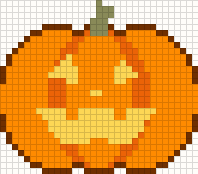 Jack-o'-lantern
 Lavender bookmark
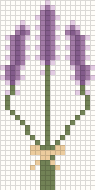 Lavender sprig
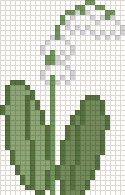 Lily of the valley
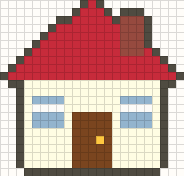 Little house
 Night sky bookmark
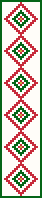 Nordic diamonds bookmark
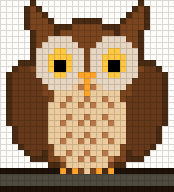 Owl on a branch
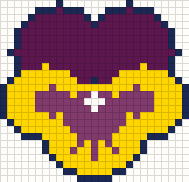 Pansy
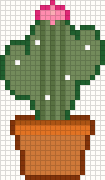 Flowering cactus
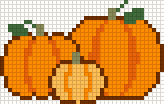 Pumpkin trio
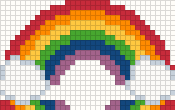 Rainbow
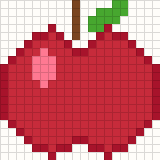 Red apple
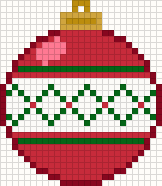 Red bauble ornament
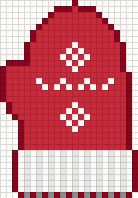 Red mitten
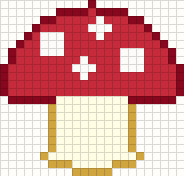 Red mushroom
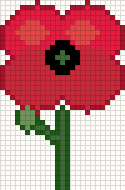 Red poppy
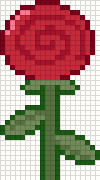 Red rose
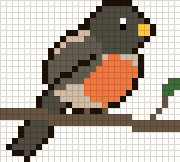 Robin on a branch
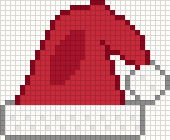 Santa hat
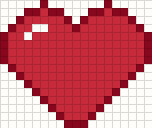 Simple heart
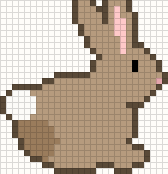 Sitting bunny
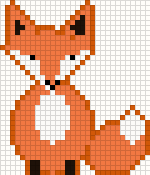 Sitting fox
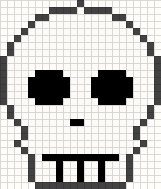 Skull
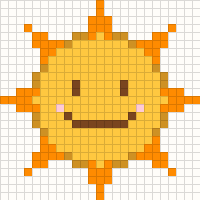 Smiling sun
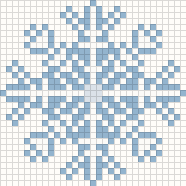 Snowflake
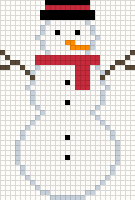 Snowman
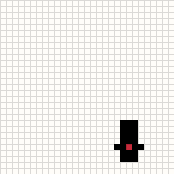 Spider and web
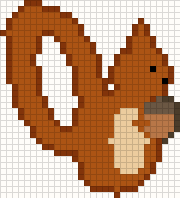 Squirrel with an acorn
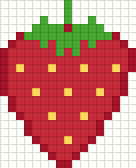 Strawberry
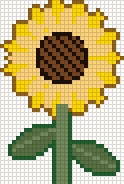 Sunflower
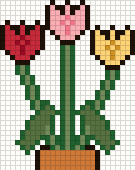 Tulip trio
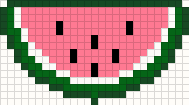 Watermelon slice
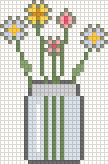 Wildflowers in a jar
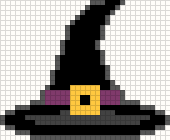 Witch hat
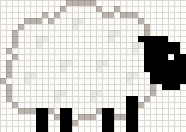 Woolly sheep
How to use these patterns
- Pick a patternBrowse by theme or scroll the cards. Each one shows its size in stitches and its number of colors, so you can match it to your time.
- Print the chart or tweak itPrint the color pages, the black-and-white pages that follow them and the key, or adjust the design in the editor first.
- Stitch, or change colorsStitch it as charted, or swap colors, add a name or a border, and download your own version as a new PDF.
What is in the cross stitch library
The designs are grouped into six themes: twelve flowers, twelve animals, twelve Christmas pieces, ten for Halloween, twelve small and easy patterns and eight bookmarks. Most are between 17 and 41 stitches wide, with three to thirteen colors. The bookmarks are the exception, slim strips up to 101 stitches long.
Everything here was drawn for this site, stitch by stitch. There are no characters, logos or copies of other designers' charts. You never need to sign up or give an email to download one, and whatever you stitch from a chart is yours, including pieces you sell; the chart files themselves are not for resale or sharing.
Right now, in October, the Halloween charts are the timely choice, and it is a good moment to start on Christmas ornaments too: holiday stitchers often begin in autumn so a set of gifts is finished by December.
What the free PDF includes
These are counted cross stitch patterns: nothing is printed on the fabric, and you follow a grid where each square is one cross. Each download is a full printable chart, not a preview. It starts with the color chart with symbols, then repeats every chart page in black-and-white symbols for printers without color ink, with bold grid lines every ten stitches throughout, and a key with the DMC number, color name, number of stitches and skeins for each color. Larger designs are split over pages with a strip of overlap, so lining up the next page is easy.
The symbols are real text characters in the PDF, which apps that read PDF charts rely on. If you like to mark progress on screen instead of paper, the editor also has a stitch tracker.
Choosing a pattern by size and time
Size in stitches tells you most of what you need. A design around 20 by 20 stitches is an evening or two; 30 by 40 is a week or more of evenings for many beginners. Count the colors too, because every color change means re-threading. For a first piece, the small and easy designs, under 40 stitches in both directions, are the safest bet.
The fabric decides the finished size. On 14-count aida, 28 stitches make 2 inches; on 11-count the same chart is bigger, on 18-count smaller. The cross stitch fabric calculator shows the size on any count, and the floss calculator estimates skeins for bigger projects. Spring and summer stitchers usually start with the free flower patterns or the animal cross stitch patterns.
Floss colors and substitutions
Keys use DMC numbers because they are the easiest to find in shops around the world. You can substitute other brands or shades you already own; keep light and dark steps in the same order so shading still works. On-screen colors are only approximate, so check a physical color card when a color has to match.
If you would like to see a swap before you buy thread, open the pattern in the editor and replace any color in the key with another DMC floss. The chart, the key and the stitch counts update together.
Finishing ideas
Small charts finish into small things: a design in a 4 inch hoop with a felt back, a card front, a felt-backed ornament with a ribbon loop, a gift tag, a brooch, a magnet. Several small pieces of the same theme look good framed together in a row. Long strips become bookmarks, and short wide designs fit the front of a notebook cover or a tea towel worked over waste canvas.
Make your own from here
Any pattern can be a starting point. Add a name with the cross stitch text generator, or choose letters from the free cross stitch alphabet charts. When you want something that is entirely yours, the cross stitch pattern maker turns a photo of your pet, your house or your garden into a chart with a free PDF of its own.
Many people turn favorite characters into patterns for their own use. We do not host those; the library is all original work.
Questions
What are counted cross stitch patterns?
Counted cross stitch patterns are charts on a grid in which each square stands for one cross stitch, and its color or symbol tells you which floss to use. Nothing is printed on the fabric: you count squares on the chart and holes in plain aida or evenweave, and stitch the same number of crosses in the same place. A stamped pattern is the other kind, with the design printed on the fabric to stitch over. Every chart in this library is a counted pattern with a DMC key, and the guide on how to read a cross stitch pattern explains the symbols.
Are these cross stitch patterns really free?
Yes. Every pattern in the library downloads as a full PDF with no account, no email and no watermark. The designs are original StitchJam work. You can also open any of them in the editor and change it before printing, at no cost.
What are good cross stitch patterns for beginners?
Look for a design under about 30 stitches wide with three to five colors and big areas of one color, such as a heart, a star or a piece of fruit. The small and easy theme collects designs like this. Use 14-count aida, two strands of floss and a blunt needle.
How do I download a cross stitch pattern as a PDF?
Choose a pattern card and select Download PDF. The file is built in your browser and saved to your device; nothing is uploaded. Open it in any PDF viewer and print at 100 percent. Color chart pages come first, the black-and-white copy after them, then a key with floss numbers.
What do I need to start a cross stitch pattern?
A piece of aida fabric a few inches larger than the design on every side, a hoop, a blunt needle, small scissors and the floss colors in the key. A printed chart and a pencil to mark finished stitches help. That is all; frames and stands are optional.
Can I sell items made from these patterns?
Yes. Pieces you stitch by hand from these patterns may be sold, for example at a craft fair or in your own online shop. What you may not do is sell, reupload or share the pattern files, printed or digital; send people to this page so they can download their own copy.
Can I change the size of a cross stitch pattern?
The simplest way is to change the fabric: a lower count such as 11 makes the same chart bigger, a higher count such as 18 makes it smaller. In the editor you can also enlarge the canvas to add a border or lettering around the design.
Every pattern here is an original StitchJam design or a public-domain source named on the pattern. Colors are DMC or bead brand numbers; on-screen colors are approximate. Free for personal use and gifts.