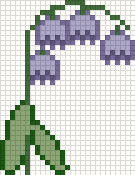
 Bluebells
Free Flower Cross Stitch Patterns
A dozen original floral charts, from a single long-stemmed rose to a mason jar crowded with meadow flowers. They are small enough for a hoop, a card or a framed gift, and each one prints as a free PDF with a full DMC key.
- Free PDF, no watermark
- 5 to 13 DMC colors
- Original floral drawings
12 free patterns
Bluebells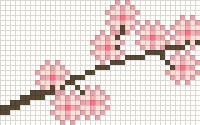 Cherry blossom branch
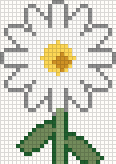 Daisy
Daisy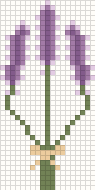 Lavender sprig
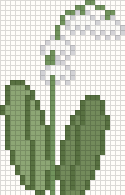 Lily of the valley
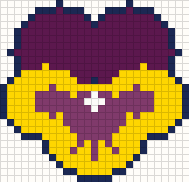 Pansy
Pansy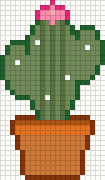 Flowering cactus
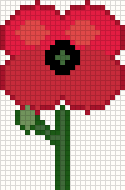 Red poppy
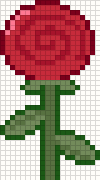 Red rose
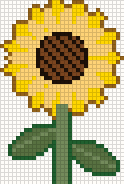 Sunflower
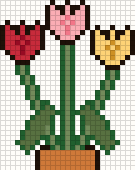 Tulip trio
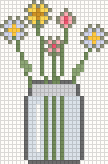 Wildflowers in a jar
How to use these patterns
- Pick a flowerThe cards show each design's size in stitches and how many colors it uses, so you can choose a simple sprig or a fuller bouquet.
- Print it or recolor itPrint the chart straight away, or open it in the editor to change a petal color, the background or the size of the fabric.
- Stitch, or recolor firstStitch the flower as charted, or turn a red rose yellow, a violet pansy blue, and download your own version of the chart.
Simple shapes, real flower colors
Flowers are the most requested cross stitch subject for a good reason: they look lovely at a small size and everyone has a favorite. The designs here range from 19 to 40 stitches wide and 25 to 46 tall. The narrow Lavender sprig, 19 by 38 stitches with five colors, is the gentlest start. Wildflowers in a jar, with 13 colors, is the fullest piece on the page and rewards a bit more patience.
Each flower uses a darker shade of its own color for the outline rather than black, which keeps petals soft and natural. Leaves and stems use two or three greens so that a stem does not read as a flat line. All twelve are original StitchJam drawings, and a flower you stitch from one is yours to frame, give or sell.
Choosing the fabric and the finished size
Divide the stitch count by the fabric count to get the size in inches. The tallest design, the Sunflower at 31 by 46 stitches, shows the range:
| Fabric | Strands | Sunflower (31 x 46) |
|---|---|---|
| 11-count aida | 3 | about 2.8 x 4.2 in / 7.2 x 10.6 cm |
| 14-count aida | 2 | about 2.2 x 3.3 in / 5.6 x 8.3 cm |
| 16-count aida | 2 | about 1.9 x 2.9 in / 4.9 x 7.3 cm |
| 28-count evenweave over two | 2 | about 2.2 x 3.3 in / 5.6 x 8.3 cm |
Background colors that suit flowers
The charts leave the background unstitched, so the fabric you choose sets the mood. White aida makes bright reds and yellows pop. Cream or oatmeal gives a vintage, botanical print feel that suits lavender, lily of the valley and bluebells. Pale blue or sage linen is pretty behind the daisy, whose white petals would disappear on white cloth.
If you want a white flower on white fabric, open it in the editor and change the petals to an off-white or the palest gray, or fill the background with a light color. The editor can swap any floss in the key for another DMC shade.
Substituting floss colors
Each key gives a DMC number and name, but you do not have to buy every one. Flowers forgive substitutions better than faces or animals: a pink that is a shade lighter still reads as a rose. Swap within the same family, keep the light, medium and dark steps in the same order, and the shading still works. Find near matches in the DMC color chart, and check a real thread card if exact tone matters, because screens show colors only approximately.
To try a different palette before buying floss, open the design in the editor and change colors there. A red poppy turned orange, or the tulip trio in three shades of purple, takes a minute and the new key comes with stitch counts.
What to make with a flower chart
A single stem in a 4 inch hoop is the quickest finish. The Cherry blossom branch, 40 stitches wide and only 25 tall, sits well on a wide card or in a slim frame. Stitch three small designs, such as the lavender, the pansy and the daisy, and frame them side by side for a botanical row. Tall, narrow flowers like the Red rose and the Lavender sprig also work on a bookmark band; see the long designs on the cross stitch bookmark patterns page.
Flowers suit the seasons too. Sunflowers and poppies fit autumn, and poppies are often stitched in the run-up to Remembrance Day in November. Bluebells, tulips and lily of the valley make good spring gifts, and any of them can be framed for a birthday or Mother's Day card.
Beginner tips for floral patterns
Start with the five-color designs: the Lavender sprig, the Pansy or the Cherry blossom branch. Work the large petal areas first and the outlines last, so you can see where the edge should sit. Keep a separate needle threaded with the green you are using for stems to avoid re-threading every few stitches. Work each stem in one unbroken pass where the chart allows, so the line stays smooth instead of patchy.
If you have never read a chart before, the symbols and the bold ten-stitch grid are explained in how to read a cross stitch pattern.
Questions
Are these flower cross stitch patterns free to print?
Yes. Every flower here downloads as a free PDF with no account or watermark. Inside, the color chart comes first, the same chart follows in black-and-white symbols, and a key with DMC numbers and stitch counts closes the file. Please keep the file itself to yourself rather than reposting it.
What is a good simple flower cross stitch pattern for beginners?
Choose one with five colors and a clear outline, such as the lavender sprig, the pansy or the cherry blossom branch. They are 40 stitches or fewer on the longest side, so they finish quickly. Avoid starting with designs that have many shades of green or lots of small details.
How many colors does a flower pattern need?
Fewer than you might think. Five or six colors are enough for one flower with shading on the petals and leaves. Bouquets need more: the wildflowers in a jar uses 13 because every flower has its own color. You can reduce colors in the editor by merging similar shades.
Can I stitch a flower pattern on linen instead of aida?
Yes. On 28-count linen or evenweave, stitch over two threads and you get the same size as on 14-count aida. Linen gives a softer, more traditional look, which suits botanical designs. It takes a bit more care to count, so use good light and a hoop or frame.
Can I combine several flowers into one sampler?
Yes. Open one design in the editor, enlarge the canvas and paint the other flowers in, or simply stitch several charts next to each other on one piece of fabric, leaving about ten stitches between them. Add a name or a date in small letters for a personal gift.
Every pattern here is an original StitchJam design or a public-domain source named on the pattern. Colors are DMC or bead brand numbers; on-screen colors are approximate. Free for personal use and gifts.